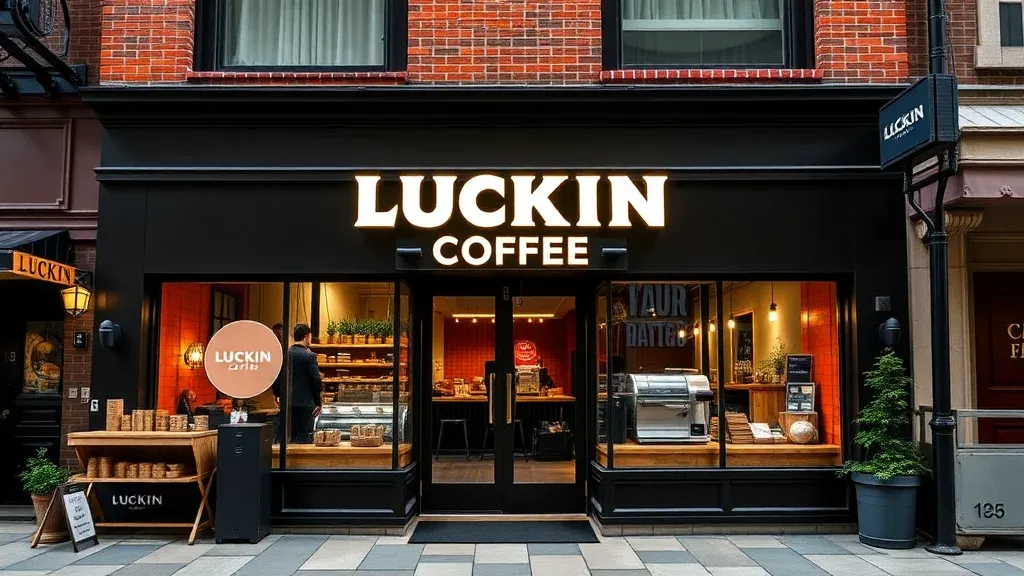
The Impact of Luckin Coffee’s Entry into the US Market with Twin New York City Locations
The recent entry of Luckin Coffee into the highly competitive US market marks a significant milestone in the coffee industry. With two new locations in New York City, this popular Chinese coffee brand is set to shake up the existing landscape. Luckin Coffee already boasts a strong following in China, and now it aims to replicate that success across the ocean.
Luckin Coffee is known for its innovative approach to the coffee business. Unlike traditional coffee shops, it leverages technology to streamline operations and enhance customer experience. The introduction of mobile ordering and self-service kiosks has been a game-changer. Customers can order through the mobile app and pick up their drinks seamlessly. This convenience is particularly attractive to busy New Yorkers who crave quality coffee on the go.
The impact of Luckin’s launch is twofold: it not only brings a new choice for coffee lovers but also intensifies competition among established coffee brands in New York. Key competitors include Starbucks, Dunkin’, and local artisan coffee shops. Here’s how Luckin Coffee may influence the market:
- Diverse Menu: Luckin Coffee offers a range of beverages, including unique blends that cater to various tastes. This variety could attract both traditional coffee drinkers and those seeking new flavor experiences.
- Price Point: Luckin’s pricing strategy is often lower than its competitors, making it an economical option for budget-conscious consumers. This may pressure existing brands to reconsider their pricing.
- Tech-Driven Experience: As technology continues to evolve, companies are expected to adapt. Luckin Coffee’s tech-first approach can set new standards for customer service in the industry.
Moreover, the strategic locations in NYC are essential to Luckin’s success. Positioned in high-footfall areas, these stores are likely to attract a significant number of customers who are accustomed to quick service and high-quality beverages.
The entry of Luckin Coffee may also prompt local coffee shops to innovate. Increased competition could encourage artisanal cafes to enhance their offerings, improve service, or adopt technology to cater to customers better. Customers could benefit from a richer coffee culture and more options.
In terms of market strategy, Luckin Coffee emphasizes its “outsmart” concept. This means not just competing on price but also on quality, service, and branding. The bold marketing campaigns will likely target millennials and Gen Z, groups that prioritize social media and digital engagement. This demographic is notably receptive to brands that leverage technology and emphasize convenience.
Luckin’s expansion will also create ripple effects in the local economy. New jobs will be created in the areas surrounding the new locations, from baristas to management roles. This influx of employment opportunities can provide a much-needed boost to the local job market, particularly in a recovering post-pandemic economy.
However, the success of Luckin Coffee’s entry into the U.S. market isn’t without challenges. The brand faced scrutiny in its home market concerning financial misconduct, which could impact its perception in the United States. Gaining the trust of consumers will play a critical role in whether Luckin can sustain its growth.
It remains to be seen how Luckin Coffee will perform long term in the U.S. context. A focus on quality, customer experience, and a clear value proposition will be essential in ensuring its longevity in a challenging market like New York City.
As Luckin Coffee shares its unique blend of technology and coffee culture, the competition within the NYC coffee scene is expected to heat up. In the face of growing consumer expectations and the ever-changing retail landscape, businesses must adapt to thrive. The next couple of years might reveal if Luckin Coffee can indeed capture the hearts—and taste buds—of New Yorkers.
To stay updated on Luckin Coffee’s expansion and its effects on the U.S. market, you might find the following resources useful:
Comparing Luckin Coffee to Traditional American Coffee Chains
As Luckin Coffee strides into the vibrant landscape of New York City, coffee enthusiasts are keen to understand how it compares to traditional American coffee chains. Notably, Luckin Coffee has made a name for itself by prioritizing technology and efficiency, aiming to capture the modern coffee drinker’s experience. American coffee chains, with their long-established traditions, offer a contrasting experience. Let’s explore some key factors that highlight these differences.
Business Model
Luckin Coffee adopts a tech-driven approach that sets it apart from many American coffee shops. Here’s a closer look at each model:
- Luckin Coffee: Primarily operates through an app, focusing on online ordering and delivery. This makes it convenient for customers who value speed and efficiency.
- Traditional American Chains: Most cafes encourage in-store visits, providing an atmosphere where customers can relax or socialize. This fosters a sense of community that is often lacking in more business-centric models.
Menu Offerings
When it comes to menu diversity, both Luckin Coffee and traditional American chains provide a range of options, though their focal points differ:
- Luckin Coffee: Known for innovative beverages, they frequently integrate popular Asian flavors such as matcha and fruit-infused drinks, catering to adventurous palates.
- Traditional American Chains: While they offer classic coffee drinks, baked goods, and seasonal specialties, they might not experiment as boldly with flavors, focusing more on time-honored recipes.
Pricing Strategy
Pricing strategies also play a significant role in how each business attracts customers:
| Brand | Average Price for a Standard Coffee | Price Range for Specialty Drinks |
|---|---|---|
| Luckin Coffee | $2.50 | $3.50 – $5.00 |
| Starbucks | $3.00 | $4.00 – $6.50 |
| Dunkin’ | $2.00 | $3.00 – $4.50 |
The table illustrates how Luckin Coffee often positions itself as a more affordable option for consumers, potentially appealing to a broad audience including students and young professionals.
Customer Engagement
Luckin Coffee and traditional chains engage their customers differently:
- Luckin Coffee: Utilizes a robust loyalty program where users collect points through the app, which they can redeem for free drinks. This gamification element is designed to keep customers returning.
- Traditional American Chains: Promote loyalty programs through physical cards or apps, but they tend to focus more on creating in-store experiences that build customer relationships.
Store Design and Ambiance
The interior designs reveal a lot about the brand’s identity:
- Luckin Coffee: More streamlined with an emphasis on pickup and go. Stores focus on efficiency rather than extensive seating arrangements.
- Traditional American Chains: Often feature cozy environments with ample seating, encouraging customers to linger and socialize.
Each model has its unique advantages and challenges, appealing to different consumer priorities. For instance, if you prioritize speed and tech integration, Luckin Coffee may be more appealing. On the other hand, if you enjoy the experience of sitting in a coffee shop with friends, traditional American chains may be the right choice for you.
As Luckin Coffee enters the bustling New York market with its innovative such as mobile ordering, rapid expansion, and unique beverage offerings, it brings a fresh perspective to the coffee scene. Its approach presents an exciting challenge to established chains like Starbucks and Dunkin’. Customers are in for a delightful experience as they compare their favorites. For more information on this emerging player in the coffee market, visit Luckin Coffee’s official site.
Regardless of which brand you prefer, the expanding options in the coffee market reflect changing consumer needs and behaviors. It will be interesting to see how the presence of Luckin Coffee influences traditional coffee culture in America.
The Rise of Chinese Coffee Culture and Its Influence on Global Markets
The coffee scene in China has blossomed into a vibrant culture, significantly impacting the global market. As more consumers embrace coffee, the way it is consumed and marketed has transformed dramatically. The rise of specialty coffee shops, advancements in brewing technology, and an increasing demand for quality have redefined coffee culture in China.
One key driver of this growth is the increasing number of young professionals and millennials in China. They are eager to explore diverse coffee options, showing a clear preference for premium quality over the traditional instant coffee that has dominated the market for decades. This demographic’s love for coffee is typically matched with their social lifestyles, where coffee shops serve not just as places to drink but also as social environments.
To understand this phenomenon better, let’s look at crucial factors fostering the rise of coffee culture in China:
- Cultural Exchange: As globalization continues, international coffee brands have made their way into local markets, bringing with them various brewing techniques and coffee styles. The influence from Western countries has markedly shifted Chinese consumer preferences.
- Specialty Coffee Shops: The emergence of specialty coffee shops has changed how coffee is perceived. The focus on single-origin beans and artisanal brewing methods caters to discerning customers looking for unique flavors and experiences.
- Modern Technology: Innovations in brewing methods, such as pour-over techniques and cold brew, have introduced new ways to enjoy coffee. This has led to a fresh take on how coffee is consumed, appealing to younger generations who favor novelty and experimentation.
- Online Shopping Trends: E-commerce platforms have surged in popularity, allowing consumers easy access to specialty coffee beans and equipment. Brands like Luckin Coffee and others are capitalizing on online sales, expanding their reach beyond traditional storefronts.
- Sustainable Practices: There is a growing awareness of ethical sourcing and sustainable practices among consumers. This has put pressure on coffee brands to offer transparency and accountability in their supply chains.
The increase in interest has also led to a surge in coffee festivals and expos, where both local and international brands showcase their products. Such events have not only fostered enthusiasm for coffee but also provided a platform for education on various coffee brewing methods and origins. The Specialty Coffee Association is one such organization promoting specialty coffee culture through various initiatives.
As a result of these developments, major international brands have begun to invest heavily in the Chinese market. Companies like Starbucks have opened hundreds of stores, adapting their offerings to suit local tastes. Similarly, the rise of competitive local brands, including Blue Bottle Coffee, demonstrates the vibrancy of China’s coffee scene.
The impact of Chinese coffee culture is also evident in global markets. Exporters are now paying more attention to China as an emerging consumer base. This has led to new trade agreements and partnerships, encouraging the import of distinctive coffee varieties from regions like Africa and Latin America.
| Brand | Market Strategy | Unique Appeal |
|---|---|---|
| Luckin Coffee | Online-first strategy | Convenience and affordability |
| Starbucks | Localization of menu | Premium experience |
| Blue Bottle Coffee | Emphasis on quality | Artisanal approach |
This evolving coffee culture in China is likely to continue its growth trajectory, fueled further by consumer curiosity and brand innovation. As more players enter the market, competition will drive quality and creativity, giving rise to new trends. You can expect traditional Chinese tea culture to continue blending with coffee, creating unique offerings that reflect the country’s rich heritage.
Whether you’re a coffee enthusiast or just starting your journey, the rise of coffee culture in China opens new avenues for exploration. Visit places like Coffee Forums to learn more about this exciting development and connect with fellow coffee lovers.
Consumer Reactions to Luckin Coffee’s Launch in the US
Luckin Coffee, the popular Chinese coffee chain, has made headlines with its entry into the competitive US market by opening two new locations in New York City. As the brand continues to expand its footprint, consumer reactions have varied, revealing a mix of excitement, skepticism, and curiosity. Understanding these reactions can provide valuable insights into how the coffee giant is perceived in a landscape dominated by established players.
Consumer Awareness and Excitement
Many coffee enthusiasts were already familiar with Luckin Coffee thanks to its impressive growth in China, where it rapidly became a favorite. Customers in the United States are eager to experience what the brand has to offer, and social media platforms buzz with anticipation. Here are some key points of excitement that consumers have expressed:
- Innovative Technology: The brand is known for its tech-savvy approach, including a mobile app for easy ordering and payment.
- Competitive Pricing: Luckin Coffee’s pricing strategy is seen as an attractive alternative to other major brands.
- Diverse Menu: With a variety of coffee options and creative beverages, consumers are eager to try new flavors.
Skepticism and Concerns
While excitement reigns in some circles, there are also lingering doubts among consumers. Several factors contribute to this skepticism:
- Previous Controversies: Luckin Coffee faced scrutiny in 2020 due to financial irregularities, leading some potential customers to question the company’s reliability.
- Brand Recognition: Despite its rapid growth in China, its recognition in the US is lower, and some consumers are unsure about the brand’s quality.
- Competition: With established brands such as Starbucks and Dunkin’ dominating the market, consumers wonder how Luckin Coffee will differentiate itself.
Curiosity Drives Engagement
Curiosity plays a vital role in how consumers view Luckin Coffee’s launch. Many are willing to visit the new locations simply to see what all the fuss is about. This curiosity can be harnessed through effective marketing strategies. Here are some insights on how Luckin Coffee is engaging curious consumers:
- Promotional Offers: To attract first-time customers, Luckin Coffee has introduced limited-time discounts and offers, creating a sense of urgency.
- Social Media Campaigns: The company is leveraging platforms like Instagram and Twitter to share visually appealing images of its beverages, inviting users to share their experiences.
- Collaborations: Partnering with local influencers has proven effective in generating buzz and inviting skeptical consumers to give the brand a shot.
Preference for Local and Established Brands
Despite the excitement and curiosity surrounding Luckin Coffee, research shows that many consumers in New York City still prefer local coffee shops or well-known brands. Several factors contribute to this preference:
- Local Connections: Many consumers feel a sense of loyalty to neighborhood coffee shops that reflect their community.
- Quality Perception: Established brands have built a reputation for quality, causing some to question if Luckin can deliver the same standard.
- Brand Loyalty: Established habits and preferences often influence consumers’ choices, making it challenging for newcomers to break into the market.
Overall Impact
The launch of Luckin Coffee in the US is a significant step for the brand, but it comes with challenges. Understanding consumer reactions can help shape future strategies as they look to carve out a niche in this competitive landscape. It will be interesting to observe whether Luckin can convert skeptics into loyal customers through innovative offerings and consistent quality.
For more information about Luckin Coffee and its ongoing expansion in the US, feel free to visit their official website as well as news outlets like Forbes and Business Insider.
Innovative Technology and Business Strategies Used by Luckin Coffee
Luckin Coffee has emerged as a formidable contender in the coffee retail world, leveraging innovative technology and savvy business strategies to carve out its space. This approach has proven vital in enhancing the customer experience and streamlining operations. One of the most effective elements in its arsenal is its reliance on a mobile-centric ordering system.
The focus on technology allows customers to order and pay seamlessly through the Luckin Coffee app. This not only reduces wait times but also integrates loyalty rewards directly into the user experience. With just a few taps on their smartphones, users can browse the menu, customize their drinks, and even choose a pickup location. This frictionless process has attracted a tech-savvy audience likely to appreciate convenience.
To complement this mobile-based model, Luckin Coffee employs data analytics to gain insights into customer preferences and behaviors. By analyzing patterns, the company can tailor its offerings, promotional strategies, and store placements to better meet customer needs. Consequently, this customized approach not only boosts customer satisfaction but also drives repeat business, building a loyal clientele base.
Another innovative strategy Luckin employs is its focus on rapid expansion, especially in densely populated urban areas. For example, the company has opened multiple stores within close proximity to one another. This tactic fulfills strategic goals: it saturates the market, increases brand visibility, and capitalizes on high foot traffic. As seen in Luckin’s recent entry into the US market with twin locations in New York City, the company is continuously seeking opportunities to penetrate new territories swiftly.
Table: Factors Contributing to Luckin’s Success
| Factor | Description |
|---|---|
| Mobile Ordering | Streamlined app for quick ordering and payment |
| Data Analytics | Insights into customer preferences guiding product and marketing strategies |
| Market Saturation | Multiple locations to increase brand visibility and accessibility |
| Innovative Menu | Diverse offerings including localized flavors to attract a broader audience |
Additionally, Luckin Coffee differentiates itself through its innovative menu that captures cultural nuances. By offering beverages that cater to local tastes, the brand can connect with customers on a personal level. The introduction of exclusive seasonal drinks also keeps the menu dynamic and encourages customers to visit frequently in search of new experiences.
In its quest for efficiency, Luckin cuts operational costs through a minimalistic store setup. The lack of traditional sit-down areas in many locations means that the overhead costs are lower compared to its competitors. This model allows for competitive pricing, giving customers a premium product at an attractive rate. A phone-based ordering system allows them to maintain lower staffing levels, streamlining operations further.
Luckin’s strategic partnerships are another key component of its success. Collaborating with technology firms can enhance the software and hardware capabilities of its app. Additionally, working with suppliers focused on quality and innovation ensures consistent product excellence. If you want to learn about their partnerships, visit [Luckin Coffee](https://www.luckincoffee.com) to explore their innovative collaborations.
Moreover, the company has also invested in expanding its marketing efforts through different channels. Utilizing social media for engaging directly with customers, sharing user-generated content, and promoting limited-time offers helps establish a community around the brand. This not only strengthens loyalty among existing customers but also attracts new audiences drawn to the excitement of Luckin promotions.
While competitors struggle with traditional models, Luckin Coffee continues to embrace disruption. The combination of technology and innovative business strategies creates a compelling formula for engagement and loyalty. As it rolls out new locations and offerings, the coffee chain demonstrates that understanding and leveraging modern technology can reshape consumer experiences in the retail landscape.
To uncover more about their operational model and technological advancements, visit [Business of Coffee](https://www.businessofcoffee.com) for detailed insights.
The Role of Marketing in Luckin Coffee’s Expansion Strategy
Luckin Coffee is making waves in the coffee industry, especially with its recent expansion strategy into the United States. This move has positioned the brand among key international players, and it is essential to understand the significant role marketing plays in this expansion. Let’s dive into how Luckin Coffee effectively harnesses marketing strategies to establish its footprint in the competitive U.S. market.
Utilizing Digital Marketing
Digital marketing has been the backbone of Luckin Coffee’s promotional efforts. The brand strategically employs social media platforms to connect with potential customers. Here are some tactics they use:
- Influencer Collaborations: Partnering with social media influencers helps reach target demographics quickly and effectively.
- Targeted Advertisements: Luckin utilizes data analytics to deliver personalized ads, ensuring that promotions reach the right audience at the right time.
- Engaging Content: Through captivating content, including videos and customer testimonials, they build an emotional connection with consumers.
As a result, Luckin Coffee can generate buzz and drive customer engagement in a crowded marketplace that demands novel approaches and innovation.
Brand Positioning and Identity
Luckin Coffee focuses on establishing a strong brand identity that resonates with U.S. customers. They have regularly emphasized key attributes such as quality, convenience, and affordability. Here’s how they position themselves:
- Quality Products: Highlighting that their coffee is made from premium beans helps enhance consumer perception.
- Affordable Pricing: By maintaining competitive pricing, they attract cost-conscious customers, especially millennials.
- User-Friendly Experience: The seamless mobile ordering system offers convenience, aligning with modern consumer habits.
This consistent branding strategy helps Luckin differentiate itself from established competitors like Starbucks, allowing them to carve out a niche in the coffee market.
Innovative Promotions and Offers
Luckin Coffee continually rolls out promotional campaigns to entice new customers. Some innovative campaigns include:
| Promotion Type | Description |
|---|---|
| Happy Hour Discounts | Offering significant discounts during specific hours to increase foot traffic and sales. |
| Loyalty Programs | Rewards programs that incentivize frequent visits and increased spend among loyal customers. |
| Referral Bonuses | Encouraging existing customers to refer friends with discounts for both parties. |
These promotional efforts not only drive sales but also instill a loyal customer base and foster word-of-mouth marketing.
Community Engagement
Building a community around the brand is another vital marketing strategy for Luckin Coffee. They engage in local events and sponsorships, creating partnerships that resonate with the community. Some methods include:
- Supporting Local Events: Participating in or sponsoring community events boosts local awareness and trust.
- Collaborating with Local Artists: Showcasing local art in stores or on social media helps promote community culture.
- Feedback Mechanism: Encouraging customer feedback ensures that the brand evolves according to consumer preferences, creating a sense of belonging.
This approach helps Luckin Coffee build strong relationships with consumers, leading to higher customer satisfaction and loyalty.
Luckin Coffee’s expansion into the U.S. market highlights the essential role marketing plays in modern business strategies. By leveraging digital marketing techniques, establishing a robust brand identity, implementing innovative promotions, and engaging with communities, Luckin is successfully embedding itself in the competitive coffee landscape. The company illustrates that effective marketing can pave the way for growth and established presence in new markets.
For more information on how brands like Luckin Coffee are shaping the coffee industry, visit Luckin Coffee’s official site and explore further insights at Forbes.
Future Implications for the Coffee Industry with New Players Like Luckin Coffee
The entrance of new players like Luckin Coffee into the coffee industry has sparked excitement and potential shifts in market dynamics. As consumer preferences evolve, companies must adapt or risk losing relevance. Luckin Coffee’s recent expansion into the U.S. market with locations in New York City perfectly exemplifies how new contenders can challenge established brands and create new opportunities for innovation.
One main implication of Luckin Coffee’s arrival is the increased competition. With its unique selling proposition of offering high-quality coffee at an affordable price, Luckin can disrupt the traditional coffee shop model. Its approach to digital solutions—such as mobile ordering and cashless payments—can enhance customer experience, which is increasingly important for today’s consumers. Coffee lovers will now have more choices than ever before, pushing existing brands to innovate and improve their offerings.
Here are some potential future implications for the coffee industry as a result of new entrants like Luckin:
- Focus on Technology: Coffee shops may invest more in technology to streamline operations and enhance customer engagement. Features like mobile apps, loyalty programs, and seamless payment options will likely become more standardized.
- Sustainable Practices: As younger consumers become more environmentally conscious, coffee chains may prioritize sustainability. Expect more brands to adopt eco-friendly practices in sourcing, packaging, and waste management.
- Emphasis on Experiences: With intense competition, brands will need to focus on creating unique customer experiences. This could lead to personalized services such as customized drinks or specialty offerings that resonate with local tastes.
- Shift in Pricing Strategies: As new competitors enter the market, pricing structures may become more competitive. Consumers can benefit from lower prices and better promotions as companies vie for market share.
Luckin Coffee’s model, which combines convenience with affordability, may push existing coffee shops to diversify their service models. Whether through enhanced delivery options, subscription services, or unique product offerings, traditional brands will need to reconsider how they interact with customers.
The consumer experience in coffee shops is changing. More than ever, customers expect quick service and options that cater to their specific needs. As mobile technology continues to advance, brands will need to innovate to keep up with these expectations. Companies like Luckin Coffee are setting new standards for service speed and customer satisfaction, which could become benchmarks against which all coffee shops are judged.
Another aspect to consider is the localization of products and services. Luckin Coffee’s approach focuses on understanding the local market. This is crucial when entering a complex market like the U.S., where consumer preferences can vary significantly across different regions. Localizing menus and pricing strategies will be essential for success in diverse markets.
The entrance of Luckin Coffee can also lead to a ripple effect throughout the supply chain. Increased demand could pressure supply sources to scale, affecting pricing and availability of raw materials. Coffee farmers may face both challenges and opportunities as they respond to a shifting landscape of consumer preferences and business models.
| Impact Area | Potential Changes |
|---|---|
| Consumer Preferences | Heightened demand for quality and speed |
| Sourcing Practices | Increased focus on sustainability and ethical sourcing |
| Market Strategies | Shift towards localization and unique offerings |
| Technology Adoption | Enhanced customer engagement through digital solutions |
The coffee industry is poised for transformation. New entrants like Luckin Coffee will challenge established brands, compelling them to innovate and adapt. As the competition heats up, expect to see a focus on technology, sustainability, customer experience, and localization. The coming years will likely showcase a more dynamic and customer-centric coffee industry.
For additional insights, you can visit World Coffee Portal and Coffee Industry.
Key Takeaway:
Luckin Coffee’s entry into the US market with twin locations in New York City marks a significant moment in the coffee industry. This strategic move is not just about expanding a brand; it brings a new set of dynamics into an already competitive market dominated by traditional American coffee chains. In this article, we explored the various facets of Luckin Coffee’s launch and its broader implications for both consumers and businesses.
First, we examined the impact of Luckin Coffee’s dual-location opening in New York City. By establishing itself in a location synonymous with innovation and culture, Luckin sets a precedent for further expansion into other major metropolitan areas across the U.S. This indicates a bold strategy, directly challenging established American coffee brands that have long held sway over the coffee scene.
When comparing Luckin to traditional coffee chains, one notable distinction is its focus on tech-driven experiences. Luckin Coffee leverages innovative technology—such as mobile ordering and payment systems—to enhance convenience for customers, catering to a younger, tech-savvy demographic. This contrasts with the often more traditional service models of American coffee chains, which may not yet fully embrace such advancements.
The rise of Chinese coffee culture is also a crucial factor. As Chinese consumers develop a taste for coffee, this trend influences global markets. Luckin’s entry serves as a representation of how Chinese coffee culture is evolving and expanding its reach internationally. This broader cultural shift could open doors for further Asian influence in Western markets.
Consumer reactions to the launch have been varied. While some are excited to try a brand with growing popularity, others remain loyal to established favorites. Nonetheless, the novelty of Luckin Coffee may draw curious patrons, eager to explore what it has to offer.
Marketing strategies play a vital role in Luckin’s growth. The brand’s fresh approach to advertising, including partnerships and promotions, will be essential in attracting new customers and building brand loyalty.
Ultimately, the future implications of Luckin Coffee’s entry into the U.S. coffee industry are significant. As more innovative players like Luckin emerge, they challenge the status quo and create new opportunities for competition. The presence of diverse coffee options enriches the consumer experience while compelling traditional brands to adapt. Luckin Coffee not only introduces its unique offerings to the U.S. market, but also influences market dynamics, consumer preferences, and the trajectory of the coffee industry as a whole.
Conclusion
Luckin Coffee’s entrance into the U.S. market, marked by the opening of twin locations in New York City, represents a pivotal moment for both the brand and the coffee industry as a whole. As more consumers become acquainted with Chinese coffee culture, the competition landscape may shift, prompting traditional American chains to reevaluate their strategies. The innovative technology and unique business models introduced by Luckin Coffee not only optimize efficiency but also enhance the customer experience, setting new standards in the industry.
Consumer reactions to Luckin Coffee’s launch have been largely positive, demonstrating a trend toward embracing international brands that offer fresh perspectives and quality products. With an aggressive marketing strategy, Luckin Coffee has made a significant impact, leveraging social media and targeted campaigns to attract attention and drive foot traffic to its new locations.
As the coffee market evolves, the introduction of players like Luckin Coffee signals exciting changes ahead. Their commitment to blending convenience with quality encourages established brands to innovate and adapt to shifting consumer preferences. This dynamic landscape ultimately benefits coffee lovers, who can look forward to a wider array of choices and improved service.
The growth of Luckin Coffee in the U.S. not only marks the globalization of coffee culture but also propels conversations about sustainability, cost-effective solutions, and technological advancements in beverage service. As new entrants challenge the status quo, the entire coffee industry stands poised for transformation, making it a thrilling time for both industry stakeholders and consumers alike.